October Hikes
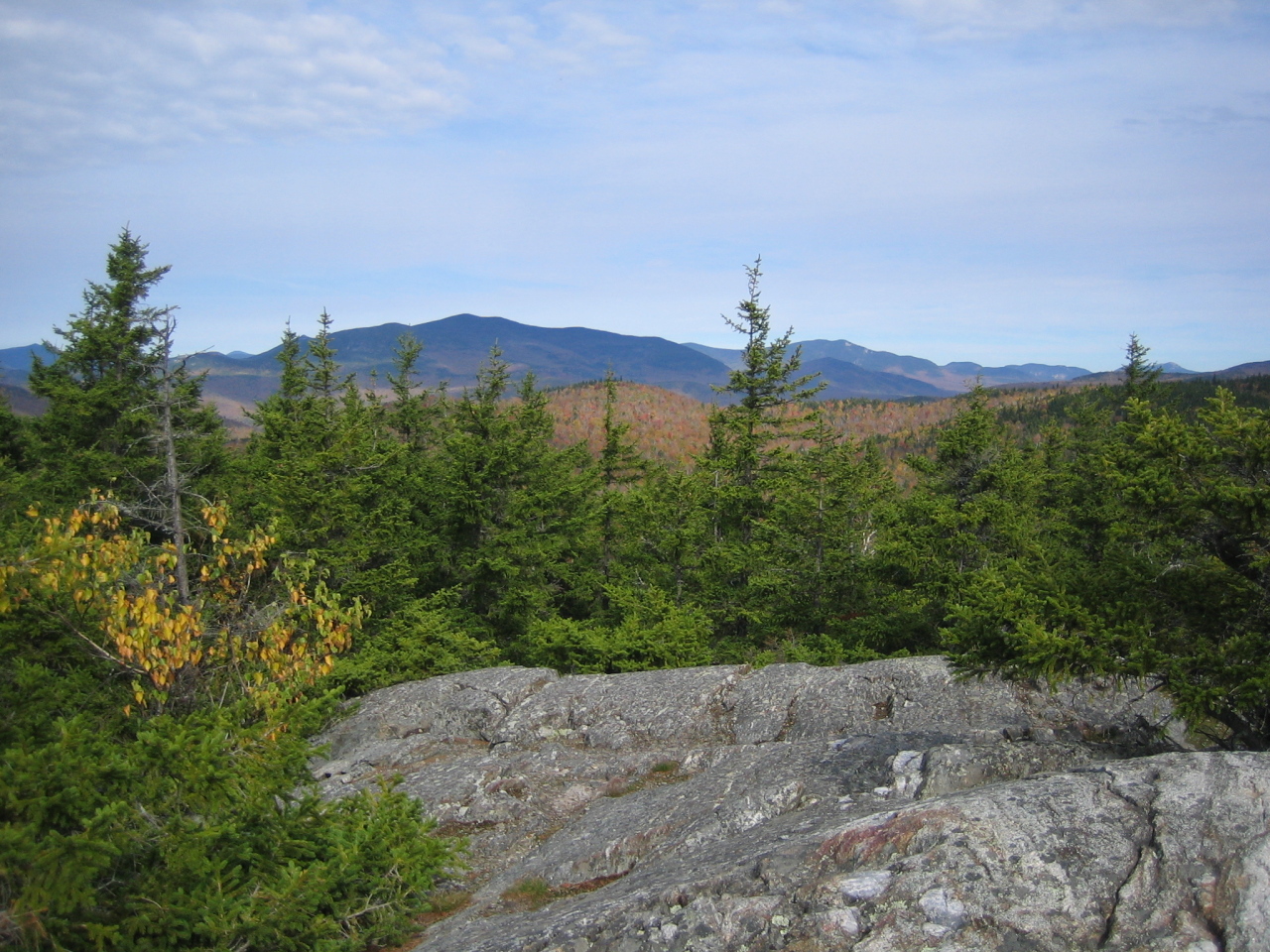
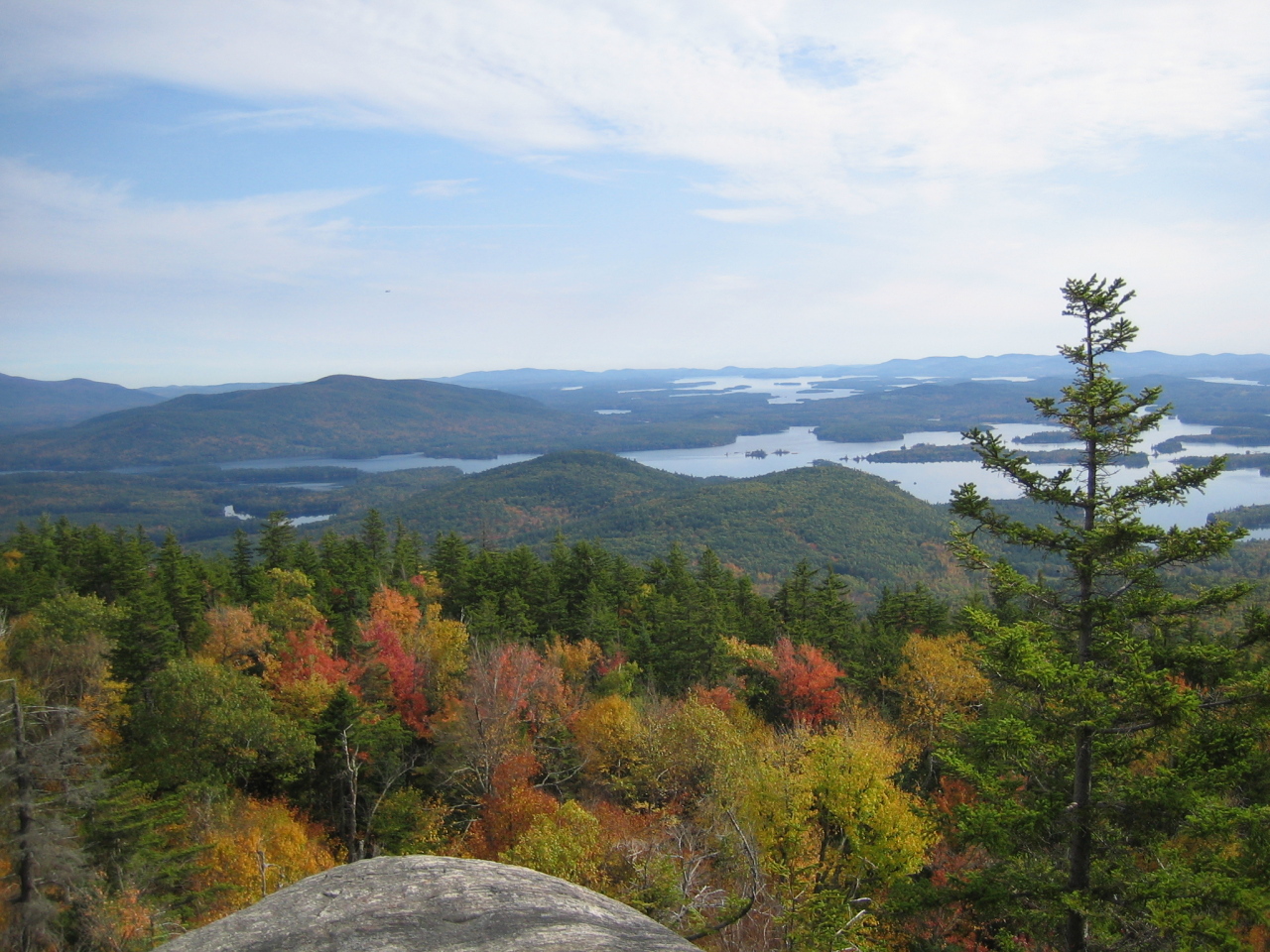
A few photos from some hikes I did this month.
Mount Percival and Mount Morgan, right off of Squam Lake. I climbed both over the course of 4.5 hours.
Blue Job Mountain, a short hike I do frequently in the late fall.
A few photos from some hikes I did this month.
Mount Percival and Mount Morgan, right off of Squam Lake. I climbed both over the course of 4.5 hours.
Blue Job Mountain, a short hike I do frequently in the late fall.
I’d like to give a shout-out to Nick and wish him and Ty the best of luck with their application to the Amazon Web Services Startup Challenge. I’m rootin’ for ya!
Clifford Heath wrote a sarcastic yet poignant list of all-too-common screw-ups people can make when creating and deploying a Ruby on Rails project.
Sometimes you laugh because it’s funny. And sometimes you laugh because it’s true.
Congratulations and a huge THANK YOU to the folks who participated in the creation of the latest release of Ubuntu GNU/Linux (and that’s a lot of people)! I’ve used a number of GNU/Linux distributions, and Ubuntu meets my needs perfectly for desktop usage and as a software development platform.
Where I work, I tend to go a bit overboard and run a release party, which last year featured an Ubuntu cake and balloons. This year we kept things simple with orange cupcakes and donuts (which were scuplted into the shape of the Ubuntu logo by my colleague and friend Jim). Everyone in the Engineering group knows when a new release of Ubuntu comes out, and it’s a great (if somewhat geeky) way of spreading the message of free software and the spirit of Ubuntu.
I’ve been extremely busy lately and probably won’t have a chance to install the new release for another week or so. But it won’t be long until all of my computers are running the Gutsy Gibbon.
Within a couple of days of the release of Ruby on Rails v1.2.4, an important security fix was announced and rolled into yet another release (v1.2.5). This time, however, I will not be giving you a diff of changes between the versions. It turns out this is not necessary!
I just recently learned of a rake task you can use to upgrade your Rails application which applies version upgrade diffs for you. Now, to upgrade your Rails app, simply update your gem, update the RAILS_GEM_VERSION constant in your config/environment.rb file to the latest version number and run
rake rails:update
If this little tidbit wasn’t included in the official announcement of v1.2.5, I would never have known. Lesson learned: it’s worth spending some time looking at the output of rake -T to see what useful recipes you might have but be unaware of.
Don’t forget, tonight is the October NHRuby.org meeting. I’ll be giving a talk on deploying Rails applications using Vlad the Deployer.
The Ruby on Rails crew has stamped the final release of the v1.2 series of Rails. Go get it with your standard gem update command. They did a good job this time keeping changes within the gem itself. If you want your existing v1.2.3 app to use the same code base as a fresh v1.2.4 app, you only need to make the following changes:
config/boot.rb:
Remove the following code from the top of the file (sorry, the indenting is off in this post due to WordPress issues with the <code> tags):
unless defined?(RAILS_ROOT)
root_path = File.join(File.dirname(__FILE__), '..')
unless RUBY_PLATFORM =~ /(:?mswin|mingw)/
require 'pathname'
root_path = Pathname.new(root_path).cleanpath(true).to_s
end
RAILS_ROOT = root_path
end
And in its place add the following code snippet:
RAILS_ROOT = "#{File.dirname(__FILE__)}/.." unless defined?(RAILS_ROOT)
Finally, just update the RAILS_GEM_VERSION constant in your config/environment.rb to ‘1.2.4’ – that’s it.